A generation learns that access is only the beginning
For years, South Africa’s education conversation focused on access: getting learners through the door and into university.
But for many high-performing students, a different challenge began after matric – adjusting to environments where excellence no longer guaranteed confidence.
That is one of the realities emerging from the Ruta Sechaba Foundation’s 10-year milestone campaign, which reflects on the experiences of young South Africans navigating life after school, university and into adulthood.
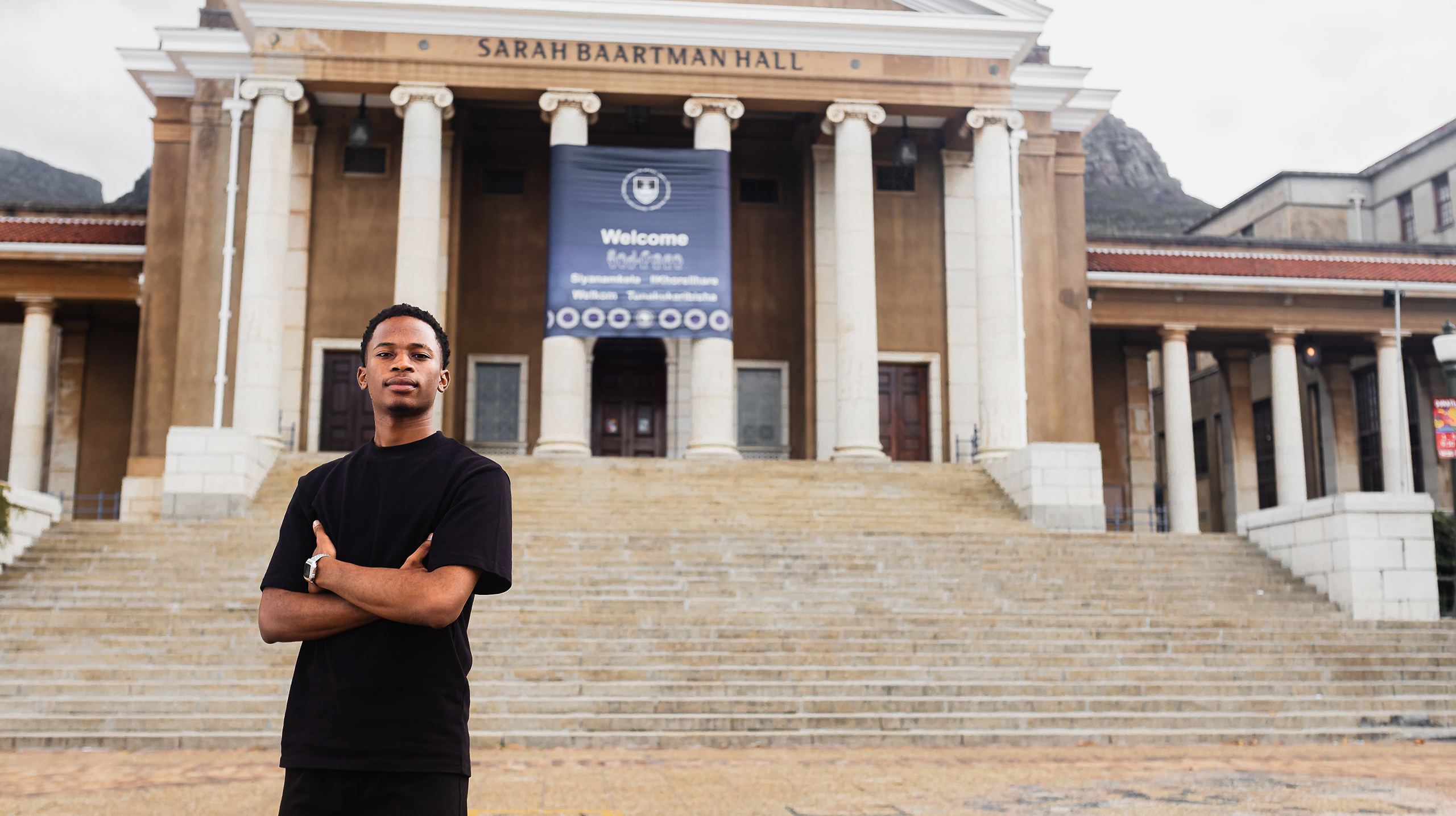
One of those voices is Katlego Bogashu.
Now a third-year Financial Accounting student at the University of Cape Town, Bogashu says the biggest adjustment after school was not academic difficulty alone, but learning how to navigate pressure, independence and self-doubt without the structure that once defined success.
An alumnus of Curro Serengeti, Bogashu had long set high expectations for himself. Even after receiving strong matric results, he says he focused more on the marks he missed than the achievement itself.
“I am quite hard on myself, so what I remember most is the 1% I missed that had an impact on my university acceptance.”
Before receiving support from the Ruta Sechaba Foundation, Bogashu had already decided he wanted to pursue a future in commerce, despite attending a technical school focused largely on engineering subjects.
His interest in Financial Accounting came from wanting to better understand how businesses operate, solve problems and create impact.
But university introduced a level of personal responsibility he says few learners are fully prepared for.
“The biggest surprise after matric was the level of responsibility that is solely on your shoulders. No one checks up on you. It is up to you to hold yourself accountable first.”
That adjustment became one of the defining lessons of his first year.
“Whether I was sick for a test or dealing with anything else, it was still up to me to get things done. That reality check can be hard on many students.”
Like many top-performing learners entering university, Bogashu says he also experienced imposter syndrome when academic expectations shifted dramatically from school to tertiary education.
“I came to university and failed my first test. I felt like I did not belong or was not smart enough.”
Instead of withdrawing, he began seeking support from tutors and lecturers, an experience that changed how he approached both learning and failure.
“After asking many questions from tutors and lecturers, I realised we were all in the same boat. You have to pick yourself up, adjust and watch the results come.”
He believes the emotional adjustment after matric remains one of the least discussed realities facing young people.
“You go from cruising in high school to feeling like you do not understand the work and maybe you are not good enough to be there.”
Bogashu says support from the Ruta Sechaba Foundation extended beyond financial assistance and helped him maintain a longer-term perspective during difficult periods.
“RSF always looked to the future. That helped me stay motivated and keep driving forward.”
Even now, he says the Foundation continues to remind him of the importance of remaining connected to younger learners navigating similar journeys.
“It reminds me where I started and keeps me connected to helping learners who want to succeed in tertiary education.”
Looking ahead, Bogashu hopes to use his studies to contribute to solutions that expand access to resources, encourage critical thinking and create opportunities for collaboration and growth.
For learners preparing for life after matric, he believes one quality matters most.
“Adapting. Embracing change is the best thing you can do for yourself after matric.”
Natasha Mkhize, Executive for Strategic Relations at Curro and the Ruta Sechaba Foundation, says Bogashu’s story reflects a reality many young people quietly experience after school.
“Katlego’s journey reminds us that even high-performing learners face pressure, self-doubt and difficult transitions after matric. What stands out about him is not only his academic ability, but his resilience and willingness to adapt when circumstances became challenging. That ability to keep growing through discomfort is what ultimately shapes long-term success.”
His journey from Kempton Park to one of the country’s leading universities reflects a broader truth emerging from the Foundation’s campaign: access may open the door, but navigating what comes after requires support, resilience and the ability to adapt.
As the Ruta Sechaba Foundation marks its 10-year anniversary this year, donors, partners and prospective applicants are invited to learn more about its work and opportunities by visiting rutasechaba.org.